
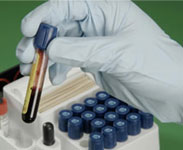
Fasting blood sugar (FBS)
measures blood glucose after you have not eaten for at least 8 hours. It is often the first test done to check for prediabetes anddiabetes.
2-hour postprandial blood sugar
measures blood glucose exactly 2 hours after you start eating a meal. This is
not a test used to diagnose diabetes.
Hemogram
A complete blood count (CBC), also known as full blood count (FBC) or full blood exam (FBE) or blood panel, is a test panel requested by a doctor or other medical professional that gives information about the cells in a patient's blood. A scientist or lab technician performs the requested testing and provides the requesting medical professional with the results of the CBC.
Glucose tolerance test (glucose challenge test)
is a medical test in which glucose is given and blood samples taken afterward to determine how quickly it is cleared from the blood. The test is usually used to test for diabetes, insulin resistance, and sometimes reactive hypoglycemia and acromegaly, or rarer disorders of carbohydrate metabolism
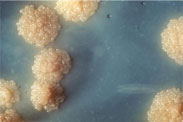
A sputum culture
is a test to detect and identify bacteria or fungi that infect the lungs or breathing passages. Sputum is a thick fluid produced in the lungs and in the adjacent airways. A sample of sputum is placed in a sterile container and sent to the laboratory for testing.
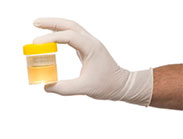
A urine culture
is a test to find and identify germs (usually bacteria) that may be causing a urinary tract infection (UTI). Urine in the bladder normally is sterile—it does not contain any bacteria or other organisms (such as fungi). But bacteria can enter the urethra and cause an infection.
Coagulation Testing
are the tests used for diagnostics of the hemostasis system. Coagulometer is the medical laboratory analyzer used for testing of the hemostasis system. Modern coagulometers realize different methods of activation and observation of development of blood clots in blood or in blood plasma.
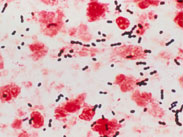
Sputum Gram Stain
The sputum Gram stain is a laboratory test ordered when a doctor suspects that a patient’s respiratory symptoms may be caused by a bacterial infection.
It is the most common preliminary test for pneumonia and other respiratory infections because it provides rapid test results. This allows the physician to begin antibiotic treatment immediately.
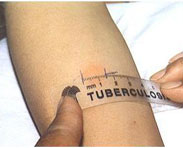
Sputum for AFB
This study aims to evaluate the role of sputum examination for AFB in the patients of tuberculous pleural effusion with no apparent lung parenchymal lesion radiologically. Sputum for acid fast bacilli (AFB) is seldom looked for in the etiological diagnosis of tuberculous pleural effusion usually due to the absence of any parenchymal lesion radiologically, but presence of tubercle bacilli in sputum may have important epidemiological and therapeutic implication.
Sputum 24 hrs. for PCR
Diagnosis of pulmonary tuberculosis using PCR assays on sputum collected within 24 hours of hospital admission.
24-Hour Urine Protein Test
The 24-hour urine protein test checks the function of the kidneys and detects disease. Urine samples are collected in one or more containers over a period of 24 hours. The containers are kept in a cool environment and then sent to a lab for analysis. Specialists then check the urine for protein. The test is simple and noninvasive.
Creatinine and creatinine clearance tests
measure the level of the waste productcreatinine in your blood and urine. These tests tell how well your kidneys are working. The substance creatine is formed when food is changed into energy through a process called metabolism. Creatine is broken down into another substance called creatinine, which is taken out of your blood by the kidneys and then passed out of your body in urine.
Calcium Samples
There are two tests to measure blood calcium. The total calcium test measures both the free and bound forms. The ionized calcium test measures only the free, metabolically active form.Some calcium is lost from the body every day, filtered from the blood by the kidneys and excreted into the urine. Measurement of the amount of calcium in the urine is used to determine how much calcium the kidneys are eliminating.
Lipid profile or lipid panel
is a panel of blood tests that serves as an initial broad medical screening tool for abnormalities in lipids, such as cholesterol and triglycerides. The results of this test can identify certain genetic diseases and can determine approximate risks for cardiovascular disease, certain forms of pancreatitis, and other diseases.
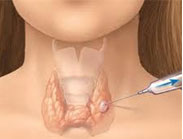
F.N.A.C
FNAC is a safe, quick, and reliable way in which a lesion in a variety of sites (eg, thyroid, breast, skin etc.) can be evaluated. The technique involves inserting a very small needle into the lesion in question to aspirate small numbers of cells. These cells are then smeared on glass slides, stained, and examined under a microscope to determine the diagnosis. It is simple, requiring only 10-15 minutes.
Histopathological Samples
refers to the microscopicexamination of tissue in order to study the manifestations of disease. Specifically, in clinical medicine, histopathology refers to the examination of a biopsyor surgical specimen by a pathologist, after the specimen has been processed and histological sections have been placed onto glass slides. In contrast,cytopathology examines free cells or tissue fragments.
Immunology Thyroid
Thyroid function tests (TFTs) is a collective term for blood tests used to check the function of the thyroid. TFTs may be requested if a patient is thought to suffer from hyperthyroidism (overactive thyroid) or hypothyroidism (underactive thyroid), A TFT panel typically includes thyroid hormones such as thyroid-stimulating hormone (TSH, thyrotropin) and thyroxine (T4), and triiodothyronine (T3).
Medical microbiology
is a branch of medicine concerned with the prevention, diagnosis and treatment of infectious diseases. In addition, this field of science studies various clinical applications of microbes for the improvement of health. There are four kinds of microorganisms that cause infectious disease: bacteria, fungi, parasites and viruses.
Clinical chemistry
is the area of clinical pathology that is generally concerned with analysis of bodily fluids.The discipline originated in the late 19th century with the use of simple chemical tests for various components of blood and urine. Subsequent to this, other techniques were applied including the use and measurement of enzyme activities, spectrophotometry, electrophoresis, and immunoassay.
Hematology
also spelled haematology is the study of blood, the blood-forming organs, and blood diseases. Hematology includes the study of etiology, diagnosis, treatment, prognosis, and prevention of blood diseases that affect the production of blood and its components, such as blood cells, hemoglobin, blood proteins, and the mechanism of coagulation. The laboratory work that goes into the study of blood is frequently performed by a medical technologist.
Reproductive biology
is a study mainly involving the reproductive system and sex organs. It is closely related to reproductive endocrinology and infertility, reproductive physiology and developmental biology.